
Extensions · Planning your project
Should you move house or extend? How to compare the two, what moving costs in stamp duty at today’s rates, and how to find out what your house can take before you decide.
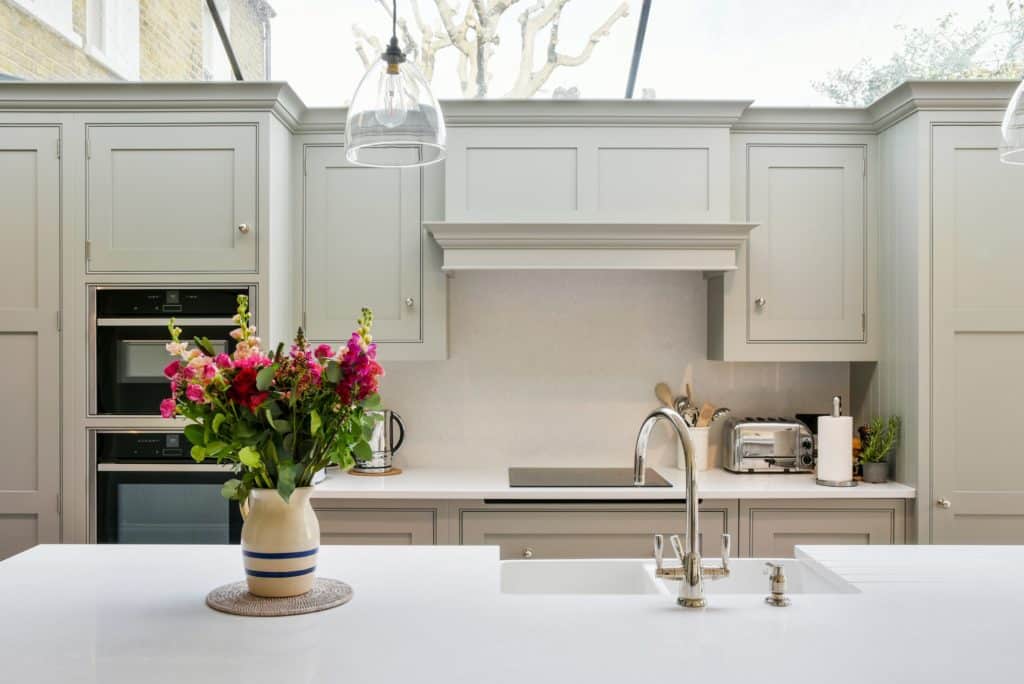
Extending is usually the better choice when you like where you live and your house and plot can give you the space you need. Moving is better when they can’t, or when you need a different area. Compare the two properly: the cost of moving, including stamp duty, which buys no space, against the cost and disruption of building, and what planning allows on your house.
Key takeaways
- Stamp duty alone on a £1.1 million home is £53,750 at current rates. None of it goes into the house.
- Owner-occupiers in England stay in their homes for 17.2 years on average (English Housing Survey 2023-24), so whichever you choose, you’re likely to live with it for a long time.
- What your house can take, in planning and structural terms, decides whether extending is an option at all. Find that out first.
- Moving gives you a different area and a finished house. Extending gives you a house designed around you, with months of building work.
The figures here are approximate and meant to give you an idea, not a quote. Every house and brief is different, so your costs and programme will depend on your project.
Contents
Move house or extend: how to decide
If you’ve outgrown your house but not your street, start from there. When the area and the schools still suit you, extending keeps them, and the question becomes whether your house can give you the rooms you need at a cost and level of disruption you can live with. If you need to be somewhere else, no extension solves that.
| Factor | Points towards extending | Points towards moving |
|---|---|---|
| Location | You want to stay in the area, near schools and family | You need a different area, or more outside space than your plot has |
| What the house can take | Room to extend at the back, side or into the loft, and a realistic planning route | Planning constraints or the plot rule out the space you need |
| Money | The build cost buys space; nothing is spent on transaction taxes | The house you want costs less, all in, than building the space |
| Disruption | You can live with months of building work, or move out during it | You need the space quickly, with no building work |
| Result | A layout designed around how you live | A house someone else designed, which may still need work |
What moving costs: stamp duty at today’s rates
Stamp Duty Land Tax is the cost of moving you can work out exactly, because HMRC publishes the rates. For a home you’ll live in, these are the residential rates that apply from 1 April 2025, checked on GOV.UK on 30 October 2026.
| Part of the price | Rate |
|---|---|
| Up to £125,000 | 0% |
| £125,001 to £250,000 | 2% |
| £250,001 to £925,000 | 5% |
| £925,001 to £1.5 million | 10% |
| Above £1.5 million | 12% |
On top of stamp duty come estate agent’s fees, conveyancing, a survey, mortgage fees and removals, and none of them buys any extra space.
Worked example: the stamp duty on moving up
Say you sell a house for £850,000 and buy one for £1.1 million to get the extra bedroom and a bigger kitchen. Here is the stamp duty on the purchase, band by band.
| Band | Amount in the band | Rate | Tax |
|---|---|---|---|
| Up to £125,000 | £125,000 | 0% | £0 |
| £125,001 to £250,000 | £125,000 | 2% | £2,500 |
| £250,001 to £925,000 | £675,000 | 5% | £33,750 |
| £925,001 to £1.1 million | £175,000 | 10% | £17,500 |
| Total | £1,100,000 | £53,750 |
The £53,750 is 21.5% of the £250,000 difference between the two prices, spent before agents, solicitors, surveys and removals. At other prices, the same rates give £30,000 on an £800,000 home, £43,750 on £1 million and £68,750 on £1.25 million.
What extending costs, and what it gives you
An extension’s cost depends on its size and how much of the existing house changes with it. Our house extension cost guide sets out prices per square metre, and if the whole house needs work, our renovation cost per m² guide covers that. Compare like with like: the cost of the space you need, built, against the stamp duty and other costs of moving to a house that already has it, plus anything that house would need doing.
Extending also has costs that are easy to forget. There are fees for the architect and engineer, planning and Building Regulations fees, party wall costs if you share walls, and possibly rent if you move out during the build. Against that, the money goes into your own house, and the layout is designed around how you live.
Two of those costs are easy to put numbers on early. A householder planning application in England costs £548 from 1 April 2026, and a new national fee schedule proposed from around 8 December 2026, subject to Parliament, would take it to about £575. If you share walls, party wall notices go to each adjoining owner, and our fee proposals suggest allowing about £1,000 per neighbour; our party wall guide explains when notices are needed. Time is the other cost. We advise clients to allow about three months for a planning decision, and on simpler schemes we can start the Building Regulations drawings while it is pending, at the client’s risk, so the wait doesn’t hold up the tender. If you need the space by a fixed date, such as before a baby arrives or a child starts school, set that date against the programme before you choose.
Before you decide
Find out what your house can take
Our Concept Feasibility Package sets out sketch options for your house and a preliminary cost plan, so you can compare extending with moving on real numbers before you call an estate agent.
What your house can take
Before you can compare the two, you need to know whether extending can give you the space at all. That comes down to planning and the house itself. Some extensions can be built under permitted development, and others need planning permission; our guide to planning permission vs permitted development explains how to tell which applies. A conservation area or listing narrows the options. Check the planning history too: some houses have had their permitted development rights removed by a condition on an earlier permission, and the council’s online planning register shows the past applications and decisions for your address, so you can see what has been approved on the house and on its neighbours.
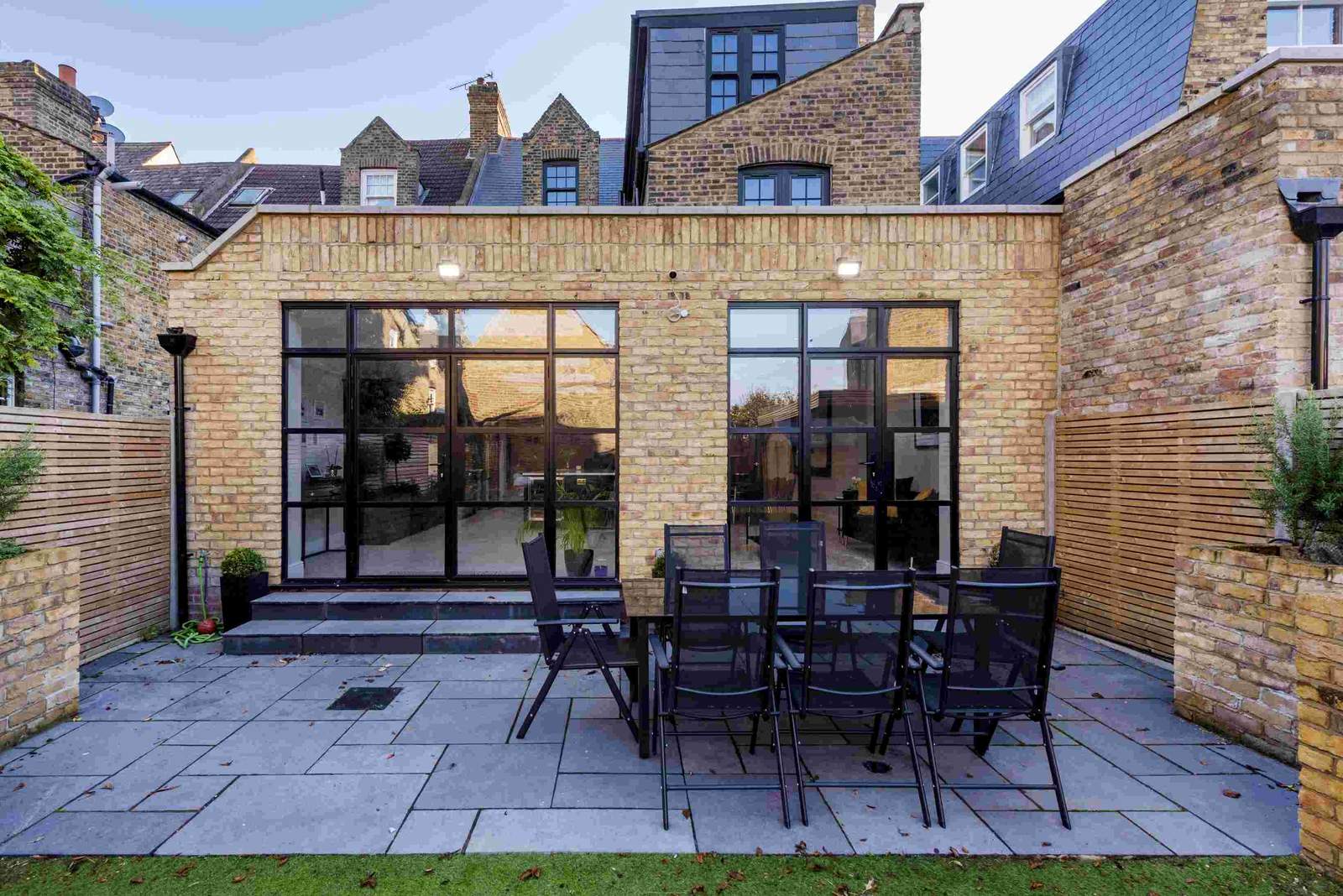
Then look at where the space can come from. A rear or side extension usually adds kitchen and living space, and a loft usually adds a bedroom and bathroom. A basement adds space without changing the garden or roofline, and reworking the existing rooms can find space without adding any. Our comparison of basement vs loft vs extension sets them side by side.
Deciding between moving and extending, step by step
- Write the brief: the rooms you need, and how you want to live in five and ten years’ time.
- Test the house: what planning allows and where the space can come from, ideally as sketch options.
- Cost both: the extension from a cost plan, the move from stamp duty and quotes for the rest.
- Weigh the rest: set the location against the time and disruption, then decide.
Thinking about how long you’ll stay
The English Housing Survey 2023-24 puts the average time owner-occupiers have lived in their home at 17.2 years, and 23.8 years for those who own outright. A move made for today’s family will often be lived in for long after the children have left. If you’re unlikely to move again for a long time, design for the space you’ll want in 15 years as well as the space you need now.
What a loft conversion adds
A loft conversion usually adds a bedroom and a bathroom. What that is worth depends on your street, so ask a local estate agent to price it, then set it against the build cost in our London loft conversion guide.
FAQs
Do I pay stamp duty on an extension?
No. Stamp Duty Land Tax is charged when you buy a property, and building on a home you already own doesn’t trigger it. An extension has planning and Building Regulations fees, but no transaction tax.
What if we buy a bigger house that also needs work?
Then you pay both: stamp duty and moving costs on the purchase, and the building costs afterwards. Get a survey and an idea of the works before you offer, so the price you agree reflects them.
How long does it take to extend compared with moving?
An extension has a design and planning stage, and building can’t start until the drawings are approved and the tender is done. We advise clients to allow about three months for planning alone. Our house extension timeline sets out each stage.
What if an extension can’t give us enough space?
Look at the whole house before you decide. Reworking the existing rooms or converting the loft can sometimes give more than an extension alone. If the space still isn’t there, moving is the better answer.
Should we extend if we might move in a few years?
Think about who the extension is for. Space that suits buyers on your street, such as a larger kitchen and family room, is easier to justify on a shorter horizon than a highly personal layout.
Talk to an architect before you decide
Tell us what you need from your home. In a consultation we’ll look at what your house could take and the planning route, so you can compare extending with moving.
Sources
- GOV.UK, Stamp Duty Land Tax: residential property rates: gov.uk, checked 30 October 2026
- English Housing Survey 2023 to 2024, Chapter 3 (length of time in current home: 17.2 years for owner-occupiers, 23.8 years for outright owners)
- Planning fees, annual indexation from 1 April 2026: assets.publishing.service.gov.uk
- AURA fee proposals (party wall allowance)
Contents